


Telomere Testing HOW FAST ARE YOU AGING? Telomere testing reveals a window to your cellular age.
What are telomeres?
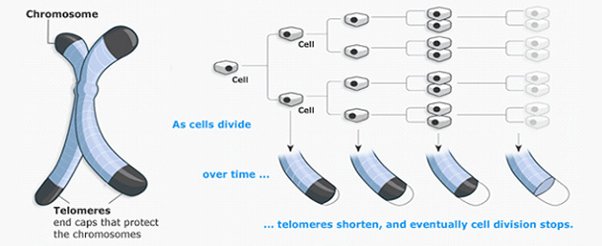
Telomeres are sections of DNA at the end of each chromosome that serve as a cap to your genetic material. Every time a cell replicates, its telomere will become shorter. Shorter telomeres imply a shorter life span for a cell.
What effect does telomere length have on my health and wellness?
TAge adjusted telomere length is the best method to date to assess biological age using structural analysis of chromosomal change in the telomere. Serial evaluation of telomere length is an indicator of how rapidly one ages relative to a normal population. Therapies directed at slowing the loss of telomere length may slow aging and age-related diseases.
Does diet have any effect on telomere length and repair?
An inflammatory diet, or one that increases oxidative stress, will shorten telomeres faster. This would include refined carbohydrates, fast foods, processed foods, sodas, artificial sweeteners, trans fats and saturated fats. A diet with a large amount and variety of antioxidants that improves oxidative defense and reduces oxidative stress will slow telomere shortening. Consumption of 10 servings of fresh and relatively uncooked fruits and vegetables, mixed fiber; monounsaturated fats, omega-3 fatty acids, cold water fish and high quality vegetable proteins can prevent premature shortening. In addition, caloric restriction is advised combined with an exercise program. Fasting for 12 hours each night at least 4 days per week may also be protective.
What lifestyle modifications are likely to be helpful?
One should achieve ideal body weight and body composition with low body fat (less than 22% for women and less than 16% for men). Decreasing visceral fat is very important. Regular aerobic and resistance exercise for at least one hour per day, sleeping for at least 8 hours per night, stress reduction, discontinuation of all tobacco products and bioidentical hormone replacement therapy may decrease the rate of telomere loss.
How do you measure telomere length?
The Patient Telomere Score is calculated based on the patient's telomere length on white blood cells. This is the average compared to telomere length on lymphocytes from a sample of the American population in the same age range. The higher the telomere score, the "younger" the cells. A Telomere Score that is above the average line is desirable.
What can I do to reduce my rate of telomere loss?
Shorter telomeres have been associated with metabolic abnormalities, obesity and several degenerative diseases including cancer, dementia and cardiovascular disease. In vitro studies have shown that telomeres are highly susceptible to oxidative stress, which will shorten telomere length and enhance cellular aging. Minimizing associated risk factors that are linked to shortened telomere activity is recommended and include:
- Reduce oxidative stress
- Correct micronutrient deficiencies, especially vitamin D
- Change sedentary lifestyle/increase physical activity
- Avoid weight gain or obesity
- Correct insulin resistance
Studies have shown that telomere length is strongly associated with CVD risk, nutritional deficiencies (particularly antioxidants) and cancer and testing may be a useful biomarker for risk assessment.
Telomere Length Interpretation can be divided into 4 levels
- High and Very High indicate the youthful of your cells. Cells can normally divide and function like stem cells which have long telomere length.
- Normal indicates your cells are in the normal healthy status. Taking some supplement such as anti-oxidant or multivitamin regularly will help us delaying cellular senescence. Micronutrients and vitamins have been implicated for delaying telomere shortening including Copper, Folate, Glutathione, Magnesium, Selenium, Zing, Vitamin B3, Vitamin C, Vitamin D, and Vitamin E. (The study provides the first epidemiologic evidence that multivitamin use is associated with longer telomere length among women. Am J Clin Nutr 2009;89:1857–63.)
- Low indicates your cells look like the senescence cell, which loss division ability and functional ability (diseases prone). The adjustments of nutrition and modification of life styles will be beneficial for the patient and people who don’t need to be premature aging. Knowing your rate of telomere loss allows a patient and clinician to get rid of influence factor of this process.
- Very Low indicates your cells are very weak. This acceleration loss of telomeres correlates well with many pathologies and diseases such as immunoproliferation inability, reducing the resistance to oxidative stress, progression of chronic diseases and especially aging etc. This critical short telomere indicates you will have the high risk developing the age-related diseases such as vascular heart disease, cancers, diabetes, and Alzheimer’s disease etc. A person who falls in this criterion should go to see the doctor and checking you blood test.
 MakeWebEasy