


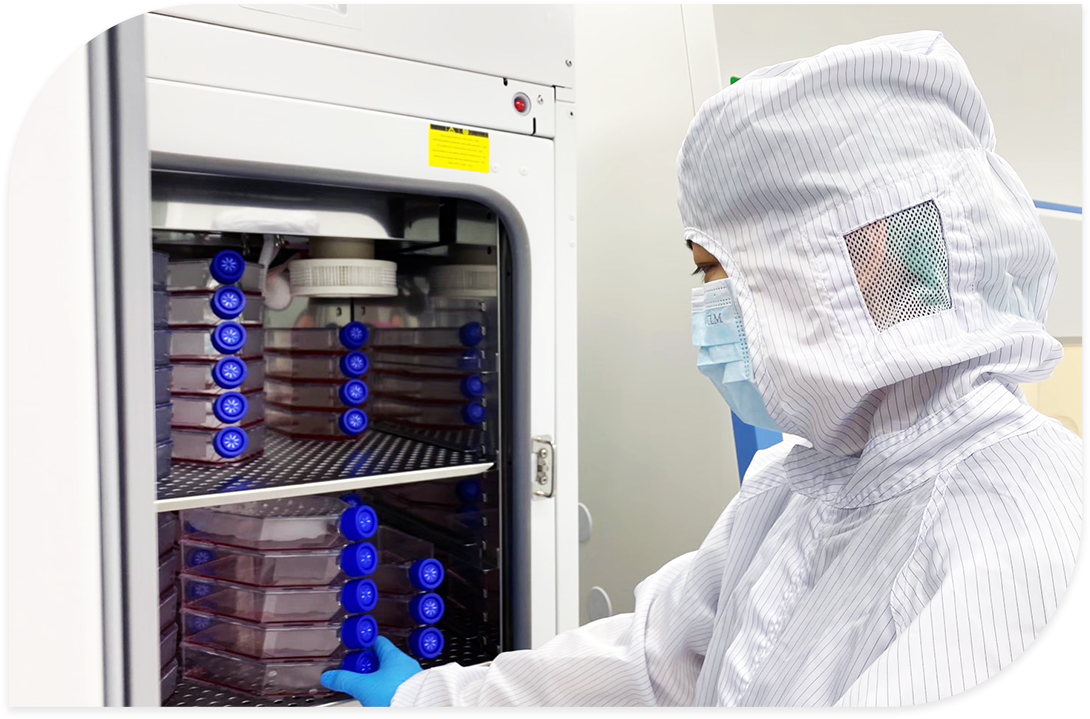
Mesenchymal Stem Cells: From Discovery to Clinical Applications Historical Discovery and Development
Mesenchymal stem cells (MSCs) were first hinted at in 1867 by Cohnheim, who speculated that non-hematopoietic bone marrow cells migrate to sites of injury. The field truly began in the 1960s-1970s with the work of Soviet scientist Alexander Friedenstein, who isolated fibroblast-like cells from bone marrow that were clonogenic (forming colonies in culture) and could generate bone and cartilage tissue
Friedenstein’s pioneering studies demonstrated that these stromal progenitor cells were distinct from hematopoietic cells and could self-renew and differentiate into mesenchymal tissues (bone, cartilage, etc.) in vivo. Throughout the 1990s, researchers expanded human bone marrow MSCs and confirmed their multipotency (differentiating into osteoblasts, chondrocytes, adipocytes, and myocytes). Key milestones included the identification of early MSC surface markers and a landmark study showing human MSCs from many donors consistently differentiate into bone, fat, and cartilage in vitro. As interest grew, the International Society for Cellular Therapy (ISCT) in 2006 established minimum criteria to define MSCs: plastic adherence in culture; expression of specific surface markers (CD73, CD90, CD105 positive, with CD45, CD34, CD14/CD11b, CD19/CD79α, HLA-DR negative); and the ability to differentiate into osteoblasts, adipocytes, and chondrocytes in vitro.
These criteria standardized MSC research and clinical preparations. Notably, debate arose over nomenclature: because MSCs do not fully meet the classical definition of a “stem cell” capable of reconstituting a lineage in vivo, some experts refer to them as mesenchymal stromal cells to temper expectations. Nonetheless, the acronym MSC remains widely used. By the early 2000s, MSCs entered clinical testing, and over the past two decades they have progressed from an intriguing lab discovery to a leading platform in regenerative medicine. Biology of MSCs and Therapeutic Properties MSCs are adult multipotent progenitor cells originally identified in bone marrow but now known to reside in many tissues, including adipose (fat), umbilical cord, placenta, and dental pulp. They are characterized by self-renewal capacity and multilineage differentiation potential: under the right conditions MSCs can become osteoblasts (bone cells), chondrocytes (cartilage cells), adipocytes (fat cells), and other mesodermal lineage cells. Unlike hematopoietic stem cells, MSCs are non-hematopoietic and typically lack blood cell markers (e.g. CD45, CD34) while expressing stromal markers (CD73, CD90, CD105). This distinct phenotype allows their isolation and expansion from sources like bone marrow aspirates or lipoaspirates. Beyond differentiation, MSCs exert powerful therapeutic effects via paracrine signaling and immunomodulation. They secrete a broad array of bioactive factors – cytokines, growth factors, and extracellular vesicles – that promote tissue repair, stimulate new blood vessel growth (angiogenesis), and inhibit apoptosis (cell death) in injured cells. Crucially, MSCs interact with cells of the immune system: they can suppress T-cell activation and proliferation, influence B cells, modulate dendritic cell function, and induce anti-inflammatory (M2) macrophages. Through direct cell-cell contact and secreted molecules, MSCs create an immunosuppressive, pro-regenerative microenvironment at sites of tissue damage. Indeed, whereas MSCs were initially imagined working by physically engrafting and replacing damaged cells, we now recognize that their “medicinal” signaling activity is the primary driver of therapeutic benefit. MSCs release factors that blunt excessive inflammation and orchestrate the healing process – earning them the description “medicinal signaling cells” by some authors. Another favorable property is their low inherent immunogenicity: MSCs express little to no HLA class II or co-stimulatory molecules, allowing allogeneic (donor-derived) MSCs to be used in patients with minimal immune rejection. This immune privilege, combined with ease of isolation and ex vivo expansion, makes MSCs an attractive off-the-shelf cell therapy. Safety profiles in clinical trials have been encouraging, with MSC therapy generally well-tolerated and no definitive evidence of malignant transformation or serious adverse events attributable to the cells. In summary, MSCs act more as conductors of repair than as building blocks – homing to sites of injury and secreting factors that reduce inflammation, enhance tissue regeneration, and thereby harness the body’s own healing capacities.
Key Clinical Applications of MSC Therapy Thanks to their diverse bioactivities, MSCs have been tested in a wide range of diseases. To date, around 1,000 clinical trials of MSC-based therapies have been conducted or are underway, spanning indications in orthopedics, cardiology, immunology, neurology, and more.
In conclusion, mesenchymal stem cells have journeyed from a biological curiosity in the mid-20th century to a centerpiece of modern regenerative medicine. Their unique combination of multilineage differentiation and immunomodulatory secretion enables them to address a spectrum of diseases – regenerating tissues and calming inflammation. Clinical results to date show real potential in musculoskeletal repair, cardiovascular disease, immune disorders, and neurological conditions, although efficacy can be variable and often modest. As our understanding deepens, researchers are optimizing therapy protocols and unlocking new mechanisms (such as MSC secretome factors) to enhance outcomes. The most recent clinical trials and ongoing studies are helping to clarify where MSCs will have the biggest impact. With a strong safety profile and numerous successes already on record, MSC-based treatments are increasingly moving from bench to bedside, offering hope for conditions once deemed intractable. Continued rigorous research and well-designed trials will ensure that MSC therapies realize their full promise in the coming years – benefiting patients with diseases across the spectrum from the joints to the heart to the immune system and brain.
 MakeWebEasy